Your Gut May Be the Most Important Organ You’re Not Thinking About
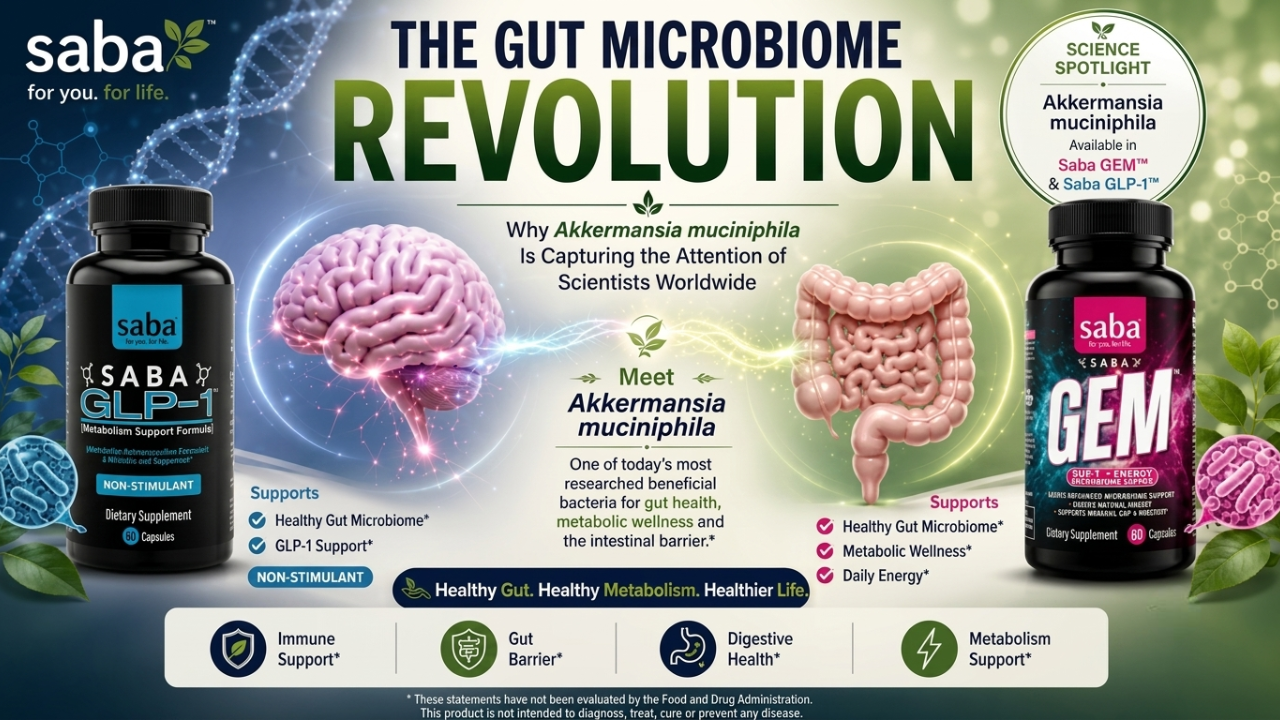
The Gut Microbiome Revolution
Why Akkermansia muciniphila Is Capturing the Attention of Scientists Worldwide
What if one of the biggest keys to better health didn’t come from a new medication or the latest fitness trend, but from the trillions of microscopic organisms already living inside your digestive system?
Hidden within your intestines is a remarkable ecosystem known as the gut microbiome. This living community of bacteria, fungi, viruses, and other microorganisms works around the clock to digest food, produce beneficial compounds, support immune function, maintain the intestinal barrier, and influence nearly every corner of human health.
Over the past two decades, scientists have completely transformed how they understand this ecosystem. Once viewed as little more than a digestive helper, the gut microbiome is now recognized as an active biological hub that communicates constantly with the brain, immune system, liver, metabolism, cardiovascular system, endocrine system, muscles, and skin through what researchers call the gut-body axis.
One of the most studied parts of that network is the gut-brain axis, the two-way communication line linking digestion and the central nervous system. Scientists are still uncovering how signals that start in the gut may influence mood, focus, stress response, sleep quality, appetite, and overall well-being.
This growing body of research keeps pointing to one exciting question: could improving gut health help support better overall health?
Among the thousands of microbial species that naturally live in the digestive tract, one bacterium has emerged as one of the most talked-about discoveries in modern microbiome science.
Meet Akkermansia muciniphila
It’s a mouthful to pronounce, but Akkermansia muciniphila has quickly become one of the most extensively researched microorganisms in the world. Since its discovery in 2004, it has appeared in more than 3,000 scientific publications, placing it among the leading next-generation anaerobic probiotic strains under active investigation today.
Researchers continue to study its remarkable ability to support the protective intestinal mucus layer, help maintain normal gut barrier integrity, promote microbial diversity, and support healthy digestive and metabolic function.
What was once a laboratory curiosity is now helping shape the future of microbiome-based nutrition and wellness.
Understanding the Gut Microbiome
The average adult carries roughly 38 trillion microorganisms throughout the digestive tract. Together, they carry millions of genes that perform biological functions the human body can’t accomplish on its own.
A healthy gut microbiome supports several everyday processes, including:
- Digesting dietary fiber and complex carbohydrates
- Producing beneficial short-chain fatty acids that nourish intestinal cells
- Supporting healthy immune system function
- Helping maintain the integrity of the intestinal barrier
- Assisting in the production of certain B vitamins and vitamin K
- Supporting healthy metabolism and energy utilization
- Participating in communication along the gut-body axis
These microorganisms aren’t passive tenants. They’re in constant partnership with you. Every meal, every night’s sleep, your stress level, physical activity, medications, age, and environment all shape this ecosystem.
A diverse, balanced microbiome supports digestive health and overall wellness. Poor dietary habits, chronic stress, illness, antibiotic use, aging, and other lifestyle factors, on the other hand, can reduce microbial diversity and throw that balance off.
The encouraging part: the gut microbiome is highly adaptable. Research suggests that positive lifestyle changes, including a diet rich in plant-based fiber, regular exercise, adequate sleep, stress management, and targeted nutritional support, may help rebuild a healthier microbial ecosystem.
A Keystone Strain in Modern Microbiome Science
Discovered in 2004 by Dutch microbiologist Dr. Willem M. de Vos and colleagues, Akkermansia muciniphila has become one of the most important organisms in microbiome research, with more than 3,000 scientific publications to its name.
Researchers around the world continue to investigate its role in supporting:
- A healthy intestinal mucus layer
- Normal gut barrier integrity
- Healthy intestinal permeability already within the normal range
- A balanced gut microbiome
- Healthy digestive function
- Normal metabolic function
- Overall wellness
Unlike many traditional probiotic bacteria that mainly feed on dietary fiber, Akkermansia occupies a unique ecological niche. It naturally lives within the protective mucus layer (mucin) that coats the intestinal wall. Rather than wearing that layer down, Akkermansia takes part in its continual renewal, helping support one of the body’s most important natural defense systems.
Because of this close relationship with the intestinal lining, many researchers now consider Akkermansia a keystone strain, a microorganism that plays an outsized role in keeping the gut ecosystem healthy and resilient.
From Traditional Probiotics to Next-Generation Innovation
For decades, probiotic supplements focused mainly on familiar bacterial groups like Lactobacillus and Bifidobacterium. These strains remain valuable and continue to support digestive wellness.
Advances in microbiome science, however, have opened the door to an entirely new class of beneficial microorganisms known as next-generation probiotics. Many of these organisms are anaerobic, meaning they’re extremely sensitive to oxygen and require advanced manufacturing and stabilization technology before they can be reliably added to a supplement.
Akkermansia muciniphila represents one of the most exciting breakthroughs in this new generation of probiotic science.
At Saba, we’ve embraced this innovation by including Akkermansia muciniphila in both Saba GEM™ and Saba GLP-1™ as part of our comprehensive Metabolic Intelligence System™.
Rather than leaning on a single strain, Saba pairs Akkermansia with carefully selected complementary probiotic strains and specialized prebiotic fibers designed to nourish beneficial bacteria and help support a balanced gut microbiome.
Think of it as a stacked nutritional approach: the beneficial microorganisms are the “seeds,” and the prebiotic nutrients are the “fertilizer” they need to thrive, supporting digestive health, microbial diversity, metabolic wellness, and overall health.
The Gut-Metabolism Connection
One of the fastest-growing areas of microbiome research focuses on metabolism. Scientists now recognize that the microorganisms living in your digestive tract take part in nutrient metabolism, energy production, appetite regulation, immune function, and communication with organs throughout the body.
Emerging research continues to explore how microbial diversity, including the presence of Akkermansia muciniphila, relates to markers of metabolic health.
While science develops, one thing remains constant: healthy lifestyle habits are still the cornerstone of metabolic wellness. That means:
- Eating a balanced, fiber-rich diet
- Regular physical activity
- Getting sufficient sleep
- Managing stress
- Supporting the gut microbiome through proper nutrition
By caring for your gut microbiome every day, you’re supporting one of the body’s most important biological ecosystems, one that touches digestion, metabolism, immune function, and overall wellness.
The Gut Barrier: Your Body’s First Line of Defense
Your digestive tract does far more than digest food. It’s one of your body’s most important protective barriers.
Every day, your intestines are exposed to everything you eat and drink, along with trillions of resident microorganisms. Yet your body pulls off an extraordinary balancing act: letting nutrients, vitamins, minerals, and water pass into the bloodstream while keeping potentially harmful substances contained where they belong.
This barrier is made up of several interconnected parts:
- A protective mucus layer
- Specialized intestinal epithelial cells
- Tight junction proteins
- Beneficial microorganisms
- Immune cells
- The gut microbiome
When these components work together, they help support digestive health, normal immune function, and overall wellness.* Among the many organisms contributing to this system, Akkermansia muciniphila has emerged as one of the most important.
How Akkermansia muciniphila Helps Fortify Your Gut
One reason Akkermansia has captured worldwide scientific attention is its unique relationship with the protective mucus layer lining the intestines. Unlike organisms that simply pass through, Akkermansia lives within this layer and takes part in a renewal cycle that helps maintain a healthy intestinal environment.
1. Reset Akkermansia naturally feeds on older mucin, the gel-like layer covering the intestinal wall. This isn’t harmful. It’s part of the body’s normal process of continuously renewing the mucus layer, helping kick off the natural turnover that keeps the gut lining healthy.
2. Replenish As Akkermansia uses up older mucin, it signals the intestinal lining to produce fresh mucin. This ongoing renewal helps maintain a healthy mucus barrier that protects the intestinal surface while supporting a balanced environment for beneficial microorganisms.
3. Reinforce The newly produced mucin helps reinforce the intestinal barrier, supporting its natural ability to regulate what passes into the bloodstream. A healthy gut barrier allows nutrients to be absorbed efficiently while keeping unwanted substances in the digestive tract, an important piece of digestive health, immune function, and overall wellness.
Why This Matters
Modern lifestyles put real pressure on the gut microbiome. Poor dietary habits, highly processed foods, chronic stress, inadequate sleep, aging, environmental factors, and certain medications can all influence the health of the intestinal lining and the diversity of beneficial bacteria within it.
Because Akkermansia muciniphila plays such a central role in supporting the mucus layer, researchers continue to investigate its potential contribution to a healthy gut barrier and long-term digestive wellness. Its growing research base has made it one of the most exciting next-generation probiotic strains available today.
The Saba Approach: Supporting the Entire Gut Ecosystem
At Saba, we believe supporting gut health takes more than a single probiotic strain. Healthy microbiomes thrive because diverse microorganisms work together.
That’s why Saba GEM™ and Saba GLP-1™ pair Akkermansia muciniphila with carefully selected complementary probiotic strains and specialized prebiotic fibers, a comprehensive strategy designed to support the entire gut ecosystem, not just one organism.
Think of it this way:
- Probiotics are the seeds.
- Prebiotics are the fertilizer.
Together, they help create an environment where beneficial microorganisms can flourish, supporting digestive health, metabolic wellness, and overall health.
Why Microbial Diversity Matters
One of the strongest indicators of a healthy gut microbiome is diversity. Just as a healthy rainforest depends on thousands of species working together, your digestive system depends on a diverse community of beneficial microorganisms. Each one plays a specialized role: producing short-chain fatty acids, digesting fiber, assisting in vitamin production, or helping maintain the intestinal barrier and communicate with the immune system.
Akkermansia muciniphila is one important member of that larger community. Research consistently points to microbial diversity as one of the best ways to support long-term digestive and metabolic health.
Prebiotics and Probiotics: Why Both Matter
Many people understand probiotics. Fewer understand prebiotics. Both matter.
Probiotics are beneficial microorganisms that help support a healthy gut microbiome. Prebiotics are specialized fibers that nourish those microorganisms and help them survive and multiply. Without adequate nourishment, even high-quality probiotic strains may struggle to establish themselves, which is exactly why Saba built its Metabolic Intelligence System™ around both.
Lifestyle Habits That Help Your Microbiome Thrive
Genetics play a role in shaping your microbiome, but many of the most important factors are within your control.
Eat more plant foods. Vegetables, fruits, legumes, nuts, seeds, and whole grains provide the fiber beneficial bacteria need to thrive.
Stay physically active. Regular exercise has been associated with greater microbial diversity and improved metabolic health.
Prioritize sleep. Quality sleep supports many of the systems that influence digestive health and the gut-body axis.
Manage stress. Chronic stress can affect communication between the brain and digestive system, so managing it through healthy practices may support both digestive and overall wellness.
Support your microbiome daily. Consistency matters more than occasional perfection. A balanced diet paired with science-based nutritional support, including formulations like Saba GEM™ and Saba GLP-1™, can help support your gut microbiome as part of a healthy lifestyle.
Building a Healthier Gut, One Day at a Time
One of the most encouraging discoveries in microbiome science is that your gut is remarkably adaptable. Unlike many aspects of human biology, it responds to the choices you make every day: what you eat, how active you are, how well you sleep, how you manage stress, and the nutritional support you give your body.
There’s no single “magic” food or supplement that transforms gut health overnight. Lasting wellness is built through consistent, science-informed habits practiced over time. Every healthy meal, every walk, every good night’s sleep, and every positive choice helps nourish one of the body’s most important biological ecosystems.
When paired with a healthy diet and regular activity, advanced nutritional support may offer additional support for digestive, metabolic, and overall wellness.
Why Saba Chose Akkermansia muciniphila
At Saba, we believe nutritional innovation should be guided by credible science. That’s why we selected Akkermansia muciniphila as one of the foundational probiotic strains in Saba GEM™ and Saba GLP-1™.
This microorganism has become one of the most extensively researched next-generation probiotic strains because of its unique relationship with the intestinal mucus layer and its growing body of scientific literature.
Rather than relying on a single ingredient, Saba built the Metabolic Intelligence System™ to support multiple aspects of metabolic wellness through a comprehensive strategy that combines:
- Next-generation probiotics, including Akkermansia muciniphila
- Complementary probiotic strains
- Specialized prebiotic fibers
- Clinically studied botanical ingredients
- Nutritional compounds that support healthy metabolism and digestive wellness*
This reflects our broader philosophy: supporting the body’s natural systems usually takes multiple nutrients working together, not a single ingredient acting alone.
The Future of Microbiome Science
Microbiome research has accelerated dramatically over the past decade. Scientists continue to uncover new connections between the gut microbiome and digestion, metabolism, immune function, healthy aging, cardiovascular wellness, and communication along the gut-body axis.
Among thousands of microbial species identified in the human digestive tract, Akkermansia muciniphila continues to stand out as one of the most promising organisms under investigation, with more than 3,000 scientific publications exploring its role in a healthy intestinal environment.
As analytical technology advances and our understanding of the microbiome deepens, experts believe personalized microbiome nutrition may become an increasingly important part of preventive health strategies.
The message that’s already clear: a healthy gut microbiome is fundamental to overall health.
Key Takeaways
- The gut microbiome is no longer viewed as just a digestive helper. It’s now recognized as a complex ecosystem that influences digestion, immune function, metabolism, and communication throughout the body via the gut-body axis.
- Akkermansia muciniphila has emerged as one of the most exciting discoveries in microbiome science, with researchers studying its role in the intestinal mucus layer, gut barrier integrity, microbial balance, digestive wellness, and metabolic function.*
- Supporting your microbiome starts with daily habits: a fiber-rich diet, regular activity, stress management, adequate sleep, and science-based nutritional support when appropriate.
The future of wellness is increasingly focused on understanding, and supporting, the remarkable community of microorganisms living within us.
Frequently Asked Questions
The gut microbiome is the community of trillions of microorganisms, including bacteria, fungi, viruses, and other microbes, that naturally live throughout the digestive tract. Together they support digestion, immune function, metabolism, nutrient utilization, and many other aspects of human health.
Unlike traditional strains that mainly consume dietary fiber, Akkermansia muciniphila lives within the intestinal mucus layer. Researchers continue to study its unique role in gut barrier integrity, microbial diversity, and digestive wellness.
It’s classified as a next-generation anaerobic probiotic because it requires advanced stabilization technology and has become one of the fastest-growing areas of microbiome research, with more than 3,000 scientific publications exploring its biology and potential health role.
Prebiotics are specialized dietary fibers that nourish beneficial microorganisms in the digestive tract, helping probiotics survive, grow, and thrive within the gut microbiome.
Probiotics introduce beneficial microorganisms, while prebiotics provide the nutrients those microorganisms need to flourish. Combining both helps support a healthy, diverse gut ecosystem.
The gut microbiome is dynamic and may begin responding to positive dietary and lifestyle changes within days. Long-term consistency, healthy nutrition, regular exercise, adequate sleep, and ongoing microbiome support remain the best strategy for lasting results.
Most healthy individuals naturally carry Akkermansia muciniphila, though levels vary from person to person depending on diet, age, lifestyle, medications, and other individual factors.
Yes. A diet rich in fruits, vegetables, legumes, whole grains, nuts, seeds, and other fiber-rich foods helps nourish beneficial microorganisms and supports microbial diversity. Exercise, sleep, and stress management play important roles too.
Both products are formulated to provide comprehensive microbiome support by combining Akkermansia muciniphila, complementary probiotic strains, prebiotic fibers, and carefully selected nutritional ingredients that work together to support digestive health, metabolic wellness, and overall health as part of a healthy lifestyle.
References
The information in this article is based on peer-reviewed scientific literature and educational resources, including:
- National Institutes of Health. Human Microbiome Project.
- Harvard T.H. Chan School of Public Health. The Nutrition Source.
- Mayo Clinic. Gut Health and Digestive Wellness Resources.
- Cleveland Clinic. Digestive Health Education.
- de Vos WM, et al. Research on Akkermansia muciniphila and the human gut microbiome.
- Derrien M, et al. Characterization of Akkermansia muciniphila in the human intestine.
- Nature Reviews Gastroenterology & Hepatology.
- Cell.
- Gut.
- Frontiers in Microbiology.
- The American Journal of Clinical Nutrition.
- The ISME Journal.
- Nutrients.
- Gastroenterology.
- World Gastroenterology Organisation educational resources.
Important Legal & Medical Disclaimer
About the Saba Research & Wellness Team
The Saba Research & Wellness Team develops evidence-informed educational resources focused on nutrition, healthy living, metabolic wellness, digestive health, and emerging scientific research. Our mission is to help individuals make informed wellness decisions by translating complex scientific information into practical, easy-to-understand guidance that supports a healthy lifestyle.
General Information Only: The information provided in this article is for educational and informational purposes only and is not intended as, nor should it be considered a substitute for, professional medical advice, diagnosis, or treatment.
Not for Medical Diagnosis: The content of this article, including descriptions of the potential benefits of Akkermansia muciniphila or any Saba products, is not intended to diagnose, treat, cure, or prevent any disease. Always seek the advice of your physician or other qualified health provider with any questions you may have regarding a medical condition.
Consult Your Physician: Never disregard professional medical advice or delay in seeking it because of something you have read in this article. If you have or suspect that you have a medical problem, promptly contact your healthcare provider.
Supplement Use: The efficacy of any nutritional supplement, including Saba GEM and the Saba Metabolic Intelligence System, may vary based on individual biology, lifestyle, and health history. These products have not been evaluated by the Food and Drug Administration (FDA). Consult with your doctor before starting any new supplement regimen, especially if you are pregnant, nursing, taking prescription medications, or have a pre-existing health condition.
Limitation of Liability: The authors of this article, along with the Saba Research & Wellness Team, explicitly disclaim any liability for any adverse effects or consequences resulting from the use or application of the information contained herein. By using this information, you acknowledge that you are responsible for your own health decisions and have consulted with your medical professional regarding the appropriateness of these suggestions for your personal health needs.