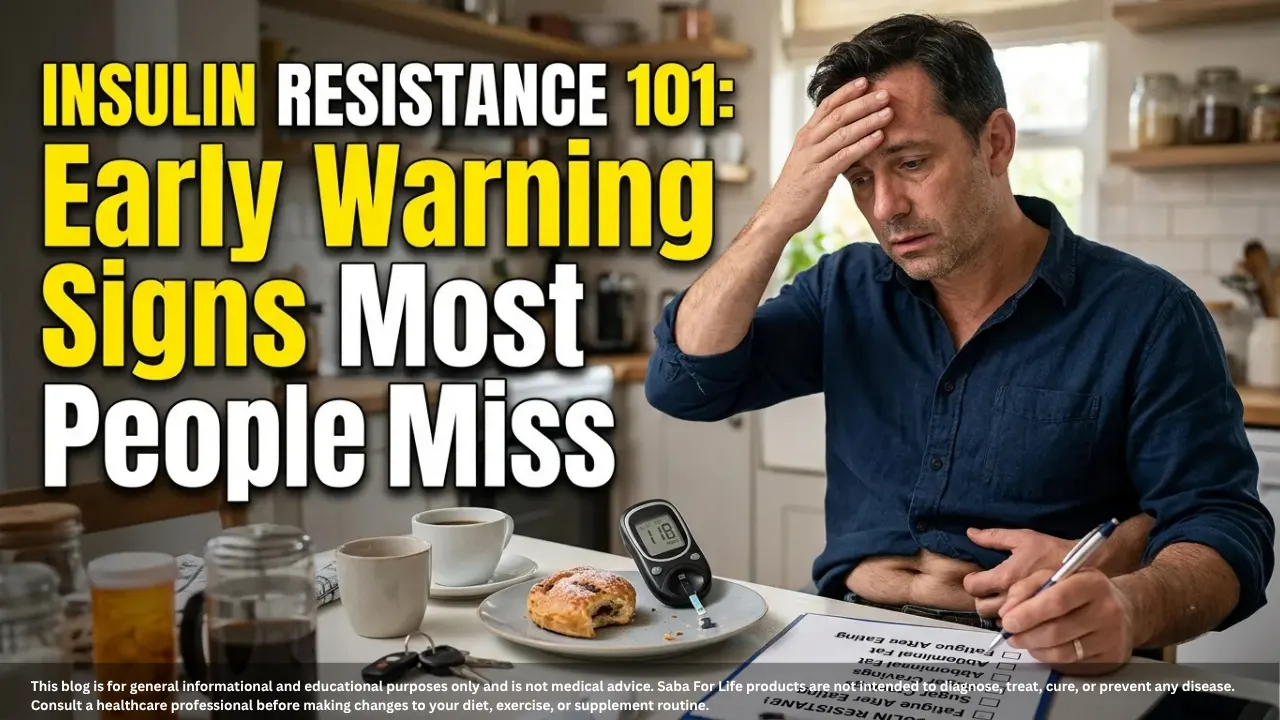
Insulin Resistance 101: Early Warning Signs Most People Miss
Insulin resistance is one of the most common, and most overlooked, health conditions affecting adults today. It often develops silently over years, long before a diagnosis of prediabetes or type 2 diabetes ever appears on a lab report. Understanding what insulin resistance actually is, and recognizing its early warning signs, can help you take action before it progresses into something more serious.
What Is Insulin Resistance?
Insulin is a hormone produced by the pancreas that allows cells throughout your body to absorb glucose from the bloodstream and use it for energy. When your cells become resistant to insulin’s signal, glucose builds up in the blood instead of being absorbed properly. In response, the pancreas produces even more insulin to compensate, creating a cycle that can quietly strain your metabolic system for years.
This condition doesn’t happen overnight. It typically develops gradually, influenced by factors such as diet, physical activity levels, sleep quality, stress, and genetics. Because early symptoms are often subtle, many people don’t realize anything is wrong until routine bloodwork reveals elevated glucose or insulin levels.
Early Warning Signs to Watch For
While insulin resistance doesn’t always cause obvious symptoms, there are several signals your body may send that are worth paying attention to.
Persistent fatigue, especially after meals, is one of the most common early indicators. When cells can’t efficiently absorb glucose for energy, you may feel unusually tired or sluggish even after eating a full meal.
Increased hunger and sugar cravings can also point to insulin resistance. As glucose struggles to enter cells, your body may interpret this as a lack of fuel, triggering cravings for quick sources of energy like sugary or refined foods.
Difficulty losing weight, particularly around the abdomen, is another frequent sign. Elevated insulin levels can make it harder for the body to break down stored fat, and excess abdominal fat is itself linked to worsening insulin sensitivity, creating a frustrating cycle.
Skin changes are a lesser known but important clue. A condition called acanthosis nigricans, which causes dark, velvety patches of skin around the neck, armpits, or groin, is commonly associated with elevated insulin levels.
Brain fog and trouble concentrating can also occur, since fluctuating blood sugar affects how efficiently the brain receives glucose for energy.
Frequent urination and increased thirst may develop as blood sugar levels climb higher, signaling that the body is working harder to manage excess glucose.
Because these symptoms can be mild or mistaken for everyday stress and tiredness, many people miss the connection to insulin resistance entirely.
Why Early Detection Matters
Left unaddressed, insulin resistance can progress toward prediabetes and eventually type 2 diabetes. It’s also linked to other health concerns, including elevated blood pressure, unfavorable cholesterol patterns, and increased cardiovascular risk. The encouraging news is that insulin resistance is often manageable, and in many cases reversible, particularly when identified early.
Simple bloodwork, such as fasting glucose, fasting insulin, or HbA1c testing, can help identify insulin resistance before more serious complications develop. If you’re experiencing several of the warning signs above, discussing testing options with a healthcare provider is a reasonable next step.
Everyday Habits That Support Insulin Sensitivity
Lifestyle choices play a major role in how efficiently your body responds to insulin. A few supportive habits include:
- Prioritizing whole foods rich in fiber, lean protein, and healthy fats over highly processed carbohydrates
- Engaging in regular physical activity, particularly strength training, which helps muscles use glucose more efficiently
- Getting consistent, quality sleep, since poor sleep is closely tied to reduced insulin sensitivity
- Managing chronic stress, as elevated cortisol can interfere with healthy blood sugar regulation
- Staying consistent with meal timing to avoid large blood sugar swings throughout the day
Small, sustainable changes made consistently over time tend to have a far greater impact than drastic short-term fixes.
Conclusion
Insulin resistance can develop quietly, but your body often gives clues along the way. Paying attention to fatigue, cravings, stubborn weight gain, skin changes, and shifts in concentration can help you catch potential imbalances early. Combined with regular checkups and supportive daily habits, awareness is one of the most powerful tools for protecting your long-term metabolic health.
Disclaimer:
This blog is for general informational and educational purposes only and is not medical advice. Saba For Life products are not intended to diagnose, treat, cure, or prevent any disease. Consult a healthcare professional before making changes to your diet, exercise, or supplement routine.